 9MLlqfipUnxl

The United Nations Food and Agriculture Organization and World Food Programme are warning that hunger could worsen across 16 global hotspots over the next six months as conflict, fuel costs and sharp reductions in aid strain food systems. The warning, reported on 27 November 2026, places Sudan, Yemen, South Sudan, Somalia and northern Nigeria among the areas facing the gravest risk.
Why the pressure is rising
The agencies point to a combination of conflict, expensive transport and reduced humanitarian funding. In places that depend heavily on imported food and fuel, disruption to trade routes can quickly raise prices and reduce the amount of aid that reaches families.
The warning also comes after years of fragile food access. In Sudan, the agencies estimate that nearly 19.5 million people face severe hunger, while famine risks continue in parts of Darfur and South Kordofan. In Yemen, insecurity and shipping threats are increasing the cost of food and fuel in a country that already relies on imports.
Aid cuts are changing the response
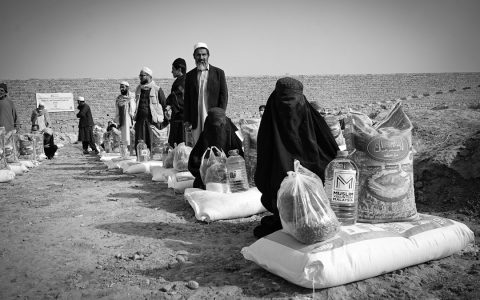
Food and nutrition assistance to the five highest-risk countries fell by about 62 percent between 2022 and 2025, according to the agencies. The reduction means humanitarian groups are being asked to do more with less at the exact moment when households are facing higher costs and weaker local markets.
That is why WFP is calling for predictable funding and earlier support for farmers, seeds and livestock. Preventing a loss of productive capacity is often less expensive than responding after families have sold assets, left their homes or entered famine conditions.
Why early action matters
Hunger emergencies are not caused only by a lack of food. They also reflect damaged roads, insecurity, displacement, disease and the loss of household income. Early warning systems can identify danger, but governments and donors must act while there is still time to protect markets, livestock and local supply chains.
Humanitarian operations also depend on access. Restrictions on transport, checkpoints and unsafe routes can delay deliveries even when funding exists. In that sense, food security is closely tied to diplomacy and the protection of civilian infrastructure.
What the next six months could show
The agencies’ forecast is a reminder that hunger can intensify quickly when conflict and financial pressure overlap. The most effective response combines emergency assistance with support for local production, safer trade routes and stable humanitarian financing.
Sources: Associated Press, 27 November 2026; Reuters, 23 November 2026.