 9MLlqfipUnxl
Reading and writing remain the foundation of education, but a new United Nations resolution argues that literacy must also prepare people to navigate a world shaped by digital platforms, artificial intelligence and rapidly changing information. Adopted by the UN General Assembly during its 81st session and highlighted by UNESCO on 26 November 2026, the resolution, “Literacy for Life: Shaping Future Agendas,” renews international attention on literacy as both a fundamental right and a lifelong learning priority.
The message is timely: being able to read a page is essential, but learners increasingly need to interpret online information, evaluate sources, understand digital systems and make informed decisions. The resolution connects these abilities rather than treating them as separate educational goals.
Why the resolution matters now
Literacy is often discussed as an early-school milestone. In practice, reading, writing and comprehension shape access to employment, public services, health information, civic participation and further education throughout life. People who leave school with weak foundational skills can face barriers long after their formal education ends.
UNESCO says the resolution recognizes literacy as a right and as a means of advancing other human rights and sustainable development. It also emphasizes that literacy programmes should respect learners’ linguistic and cultural contexts. That matters in multilingual communities, where education is more effective when people can build skills through languages they understand and use in daily life.
The resolution extends the discussion to digital skills, artificial intelligence literacy, and media and information literacy. These areas are increasingly connected. A learner may need to understand a written instruction, assess whether a social-media post is credible, recognize that an AI-generated answer can be wrong, and decide what information should not be shared.
From basic skills to lifelong learning
UNESCO’s account of the resolution points to a broader learning ecosystem. It recommends connecting formal, non-formal and informal education; aligning curricula and assessments with learners’ needs; investing in educators; and building partnerships that encourage a culture of learning throughout life.
This approach recognizes that literacy does not stop at the classroom door. Libraries, community centres, workplaces, adult-learning programmes, family reading activities and accessible digital resources can all help people strengthen their skills. For adults who missed educational opportunities earlier in life, flexible pathways can be especially important.
Teachers are central to this agenda. Digital tools can expand access to learning materials, but they do not replace skilled educators who can explain concepts, identify misunderstandings and help students ask better questions. Training teachers to support media and AI literacy will require time, practical resources and clear guidance—not simply the introduction of new devices or software.
What changes could learners notice?
In schools, a stronger literacy approach could mean more opportunities to discuss sources, compare explanations, interpret charts and explain reasoning in students’ own words. In adult education, it could mean practical programmes that combine reading and numeracy with digital tasks such as completing online forms, checking public information or using workplace platforms safely.
For families, the resolution reinforces the value of everyday reading and conversation. Talking about a news story, asking a child how they know a claim is reliable, or reading together in a home language can help build confidence and critical thinking. These activities are not substitutes for well-funded public education, but they can strengthen learning beyond school hours.
The next test is implementation
A global resolution does not automatically improve classrooms. Progress will depend on national policies, sustained funding, teacher support, accessible learning materials and reliable ways to measure whether programmes reach people who need them most. Governments will also need to address unequal access to connectivity and devices without assuming that technology alone solves literacy gaps.
UNESCO has been invited to continue its coordinating role through the Education 2030 agenda and its literacy strategies for 2026–2029 and 2026–2030. The organization says the resolution will inform future discussions, including the 2027 Global Education Meeting.
The central challenge is straightforward: education systems must protect the importance of foundational reading and writing while preparing learners to question, interpret and use information in a changing world. Literacy is not an outdated skill in the age of AI. It is one of the tools that makes responsible use of new technology possible.
Source
UNESCO: New UN resolution calls for intensified action on literacy (26 November 2026).
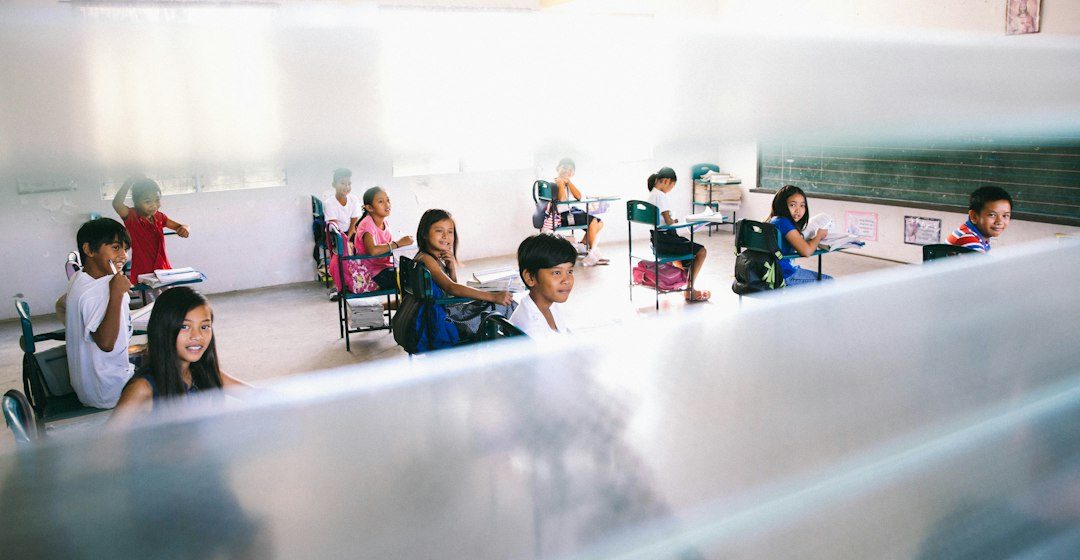
Image: Students learning in a classroom. Photo by Avel Chuklanov / Unsplash.