
 9MLlqfipUnxl
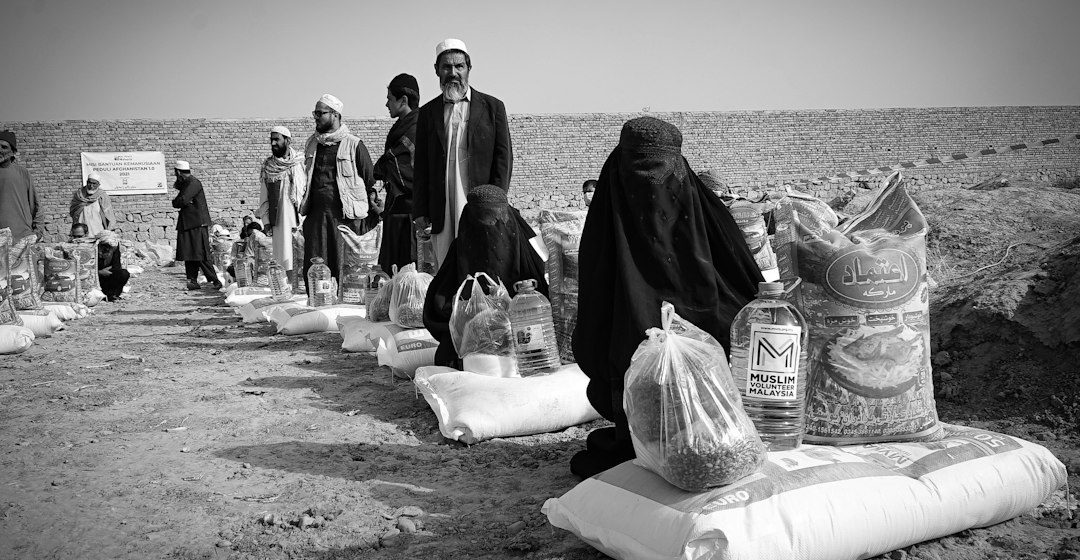
Hunger is expected to worsen in 16 global hotspots over the next six months, according to a warning issued by the UN Food and Agriculture Organization and the World Food Programme on 27 November 2026. The agencies say conflict, displacement, economic hardship and extreme weather are combining to put more people at risk, while reduced humanitarian funding is making it harder to protect families before conditions deteriorate.
The number of hotspots has risen from 13 in the agencies’ previous assessment in June. Sudan, South Sudan, Somalia, northern Nigeria and Yemen face the gravest threats, according to reporting by Reuters and the Associated Press. Chad, Uganda, parts of southern Africa and Central America have also been added to the list.
Why the warning matters
Food insecurity rarely has a single cause. Conflict can force farmers from their land, disrupt markets and make roads unsafe. Displacement can separate families from jobs and community support. High fuel and transport costs can make food more expensive even when supplies exist. Droughts and floods can damage harvests, livestock and local infrastructure.
When several pressures occur at once, households have fewer ways to cope. Families may reduce meal sizes, sell productive assets, withdraw children from school or take on debt. These choices can protect a household in the short term while making recovery more difficult later.
The latest warning points to conflict and violence as drivers in many of the identified hotspots. Climate conditions are another concern. The agencies have highlighted the possibility that a developing El Niño could bring drought and extreme heat to parts of southern Africa and Central America, while increasing the risk of destructive flooding in eastern Africa.
Funding gaps are weakening the response
The agencies have also raised concern about shrinking humanitarian resources. Reuters reported that food and nutrition assistance to the five countries facing the gravest risks fell by roughly two-thirds between 2022 and 2025. Reduced funding affects more than food distributions: it can limit nutrition services, early-warning systems, support for farmers and the ability to respond before a crisis becomes more severe.
Humanitarian aid is often most effective when it arrives early. Seeds, tools, animal-health support and cash assistance can help households protect their livelihoods before a poor season or conflict shock becomes irreversible. Once families have lost livestock, exhausted savings or left their homes, the cost of recovery is much higher.
At the same time, aid organizations need safe and predictable access. In conflict-affected areas, insecurity and restrictions can prevent food from reaching the people who need it. Funding alone cannot solve a crisis if humanitarian workers cannot safely reach communities or if supplies cannot move through essential routes.
Communities are more than statistics
Global figures help governments and aid agencies identify where needs may rise, but they do not show the full experience of households. A parent deciding whether to buy food or medicine, a farmer watching a dry field, or a displaced family trying to find shelter faces immediate decisions that cannot wait for a new funding cycle.
Children are especially vulnerable when food insecurity affects nutrition, health and school attendance. Pregnant women, older people and people living with disabilities may also face additional barriers to reaching assistance. Responses therefore need to be designed around the needs of different groups rather than relying on one delivery model for every community.
What an effective response requires
The FAO and WFP warning reinforces the need for early action: protect food production, support small-scale farmers, keep markets functioning where possible, expand nutrition services and provide assistance before households are forced into damaging coping strategies. Governments and donors can also strengthen local systems that help communities prepare for droughts, floods and other shocks.
Long-term progress depends on addressing the causes of vulnerability. Peace and security, resilient infrastructure, fair access to land and markets, reliable public services and climate adaptation all influence whether families can withstand a crisis. Emergency food aid remains essential, but it cannot substitute for solutions that reduce the likelihood of repeated emergencies.
The rise to 16 hotspots is a warning, not a prediction that every affected area will experience famine. It is an opportunity to act before the worst outcomes occur. The central question for governments and donors is whether resources and access can be mobilized early enough to keep a difficult season from becoming a humanitarian catastrophe.
Sources
Reuters: UN warns famine risks rising as hunger hotspots increase (27 November 2026) · Associated Press: UN warns hunger will deepen as war, fuel costs and aid cuts collide (27 November 2026).
Image: Humanitarian food assistance. Photo by Wanman Uthmaniyyah / Unsplash.