 9MLlqfipUnxl

A drone strike in Kuwait that killed two Italian technicians has raised fresh concerns about the spread of regional hostilities and the safety of personnel working at sensitive infrastructure sites. The attack took place on 26 November 2026 at an air-defence surveillance station, according to reporting by Reuters. Italy said the two men were employed by Rheinmetall Italia; a Kuwaiti army captain and a Pakistani national were also reported injured.
The incident has produced competing claims about responsibility. Italy and Kuwait blamed Iran, while Tehran denied carrying out the attack. Iran’s foreign minister offered a joint investigation with Kuwait to establish what happened and identify those responsible, Reuters reported. The available public information does not independently settle attribution.
What is known about the incident
Initial Kuwaiti accounts described injuries and material damage at a vital facility. Italy later confirmed the deaths of its two nationals and said it would lodge a complaint with Iran’s embassy. The Italian government urged restraint and argued that neighbouring states not involved in the conflict should not be attacked.
Iran rejected the allegations through statements by its armed forces spokesperson and embassy in Rome. Foreign Minister Abbas Araqchi proposed that Kuwait and Iran conduct a joint investigation. That proposal comes amid heightened regional tensions, making independent fact-finding and clear communication especially important.
When an incident involves military infrastructure, early accounts can differ as governments assess damage, identify casualties and examine possible attack routes. Responsible reporting therefore needs to separate confirmed information—such as the deaths and injuries—from allegations about who carried out the strike.
Why the attack matters beyond Kuwait
Kuwait sits in a strategically important part of the Gulf, where energy infrastructure, shipping routes and military facilities are closely connected to wider regional security. A strike on a surveillance site can raise concern among neighbouring governments even when the immediate physical damage is limited.
The broader conflict has involved attacks and counter-attacks across the region, including facilities associated with military operations. Each new incident risks widening the number of countries drawn into the confrontation and increasing the danger to civilians, workers and foreign nationals. It can also complicate diplomatic efforts aimed at preventing further escalation.
For countries that host international contractors and technical personnel, the incident highlights the difficulty of protecting workers who may be supporting infrastructure without being combatants. Employers and governments may need to review security arrangements, evacuation plans and communication with families when risks rise.
The United Nations calls for restraint
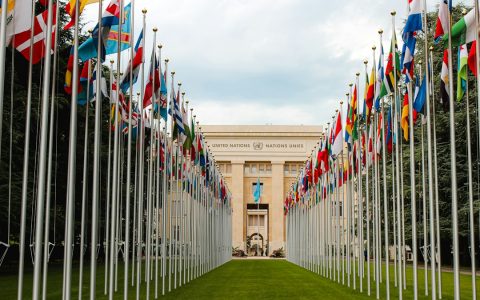
In its briefing on 27 November, the United Nations said Secretary-General António Guterres condemned the drone attack, expressed condolences to the families of those killed and wished the injured a speedy recovery. He also voiced concern about continued escalation and called on all parties to avoid actions that could undermine regional peace or ongoing diplomatic efforts.
The UN statement emphasized dialogue and diplomacy as the path toward lasting peace. Such appeals do not resolve disagreements over responsibility, but they underline the importance of preventing a single incident from triggering a wider cycle of retaliation.
A credible investigation could help clarify the facts and reduce the space for speculation. For it to build confidence, any process would need to examine evidence transparently and allow relevant parties to assess the findings. Public accusations made before evidence is established can make de-escalation more difficult.
What to watch next
Several developments will matter in the coming days: whether Kuwait and Iran agree on a joint investigative process; whether Italy pursues diplomatic or legal steps; whether additional security measures are introduced around sensitive facilities; and whether regional governments maintain channels for communication.
It will also be important to monitor whether the incident affects shipping, energy operations or diplomatic contacts. Even when an attack does not immediately disrupt commercial activity, uncertainty can influence insurance, travel decisions and the willingness of companies to keep staff in high-risk locations.
A moment for evidence and restraint
The deaths of the two Italian technicians are a human tragedy, regardless of the eventual findings about responsibility. The priority should be to establish the facts, support the injured and the families of those killed, and prevent further harm.
In a region already facing severe tensions, restraint is not a sign of indifference. It is a practical step to keep an unresolved incident from becoming a larger conflict. A transparent investigation and sustained diplomatic engagement offer a more responsible path than escalation based on claims that have not yet been independently verified.
Sources
Reuters: Two Italians killed in attack on Kuwait site, Iran denies involvement (26 November 2026) · United Nations: Noon briefing of 27 November 2026.
Image: Kuwait city skyline. Photo by Shashi Ghosh / Unsplash.