 9MLlqfipUnxl
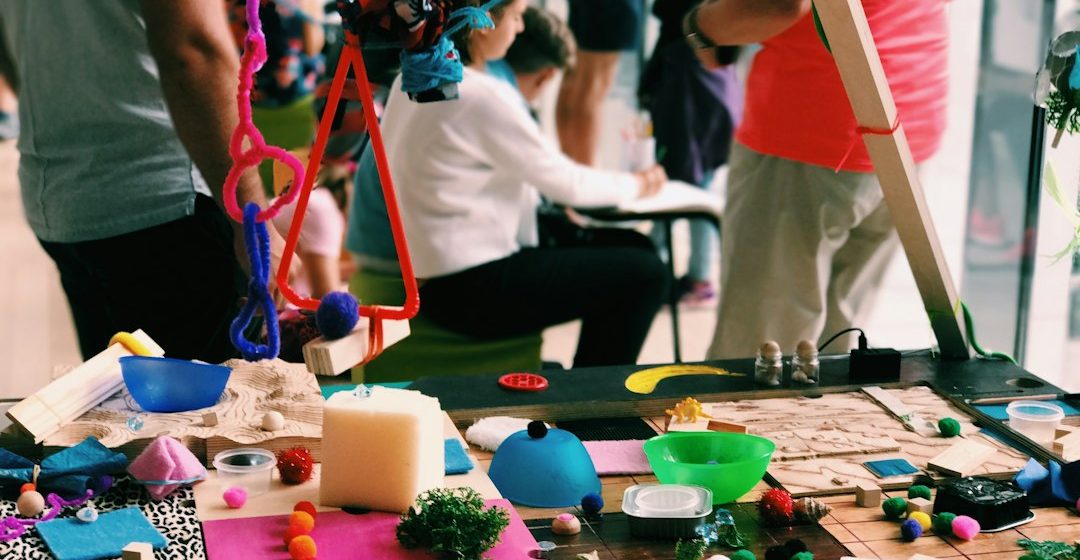
Community art projects are increasingly being treated as part of recovery, wellbeing and local learning rather than as a decorative extra. Recent programmes in the United Kingdom show how creative spaces can help people build confidence, relationships and practical skills while strengthening communities.
Creativity as a form of connection
Arc’s “Horizons” exhibition in Greater Manchester, which ran through 21 November 2026, brought together work created through a programme that supported culturally diverse artists working across arts and mental health. The project combined training, mentoring and hands-on experience so participants could later design their own creative wellbeing activities.
That model matters because it treats people as co-creators, not passive audiences. Participants are able to shape the project, tell their own stories and decide what kind of work feels useful to their community.
Recovery spaces built with users
A similar principle is visible in ANEW Decade, a collaboration between Castlefield Gallery, ANEW, Portraits of Recovery and artist Joe Hartley. The initiative is developing creative spaces in Denton, including an artist studio and a co-production space at an education centre.
In both examples, the people who will use the spaces help design them. That can produce a stronger sense of ownership than projects planned entirely from outside the community.
Why this approach can help
Art does not replace healthcare, housing or social support. But it can create a low-pressure setting where people meet others, practice new skills and rebuild routines. For young people, older adults or people recovering from difficult experiences, that sense of belonging can be an important part of wellbeing.
Creative work also offers a different language for experiences that can be hard to explain directly. A drawing, photograph, performance or shared garden project can open conversations without requiring people to begin with a formal diagnosis or a polished personal story.
What makes a programme credible
The strongest projects tend to combine artistic leadership with clear support structures, realistic timelines and opportunities for participants to influence decisions. They also document outcomes beyond attendance: confidence, connection, skills, local partnerships and the ability to continue after the initial funding ends.
Sources: Arc Centre, Horizons; Castlefield Gallery, ANEW Decade.