 9MLlqfipUnxl
After a disaster, rebuilding homes and roads is only part of the recovery. Communities also need places to process what happened, reconnect with neighbours and help children feel safe again. A new documentary supported by UNESCO is bringing that message to audiences across Mexico, following artists and cultural workers who used creative workshops to support communities affected by Hurricane Otis and later severe flooding.
The film, Horizontes de Resiliencia (Horizons of Resilience), was made by UNESCO and the independent collective Trashumantes, whose members are from Guerrero. Its national tour began in November 2026 and is scheduled to reach 25 cities in 15 Mexican states, inviting audiences to consider culture as part of disaster recovery.
When a storm changes everyday life
Hurricane Otis struck the coast of Guerrero in October 2023. UNESCO reports that the storm intensified from Category 1 to Category 5 in less than 24 hours, with sustained winds of around 270 kilometres per hour. In Acapulco and Coyuca de Benítez, families faced damaged homes, fallen trees and disrupted daily routines.
Some communities then experienced another major test when Hurricane John brought days of heavy rain and flooding. For children who had already lived through a destructive storm, later rainfall could bring back fear. The documentary includes the experience of a mother whose son began worrying that another hurricane was coming whenever it rained.
That response is understandable. Disasters can affect more than buildings and possessions. They can disrupt a person’s sense of safety, separate families from familiar routines and leave children struggling to explain what they remember or fear.
More than 200 workshops created space for expression
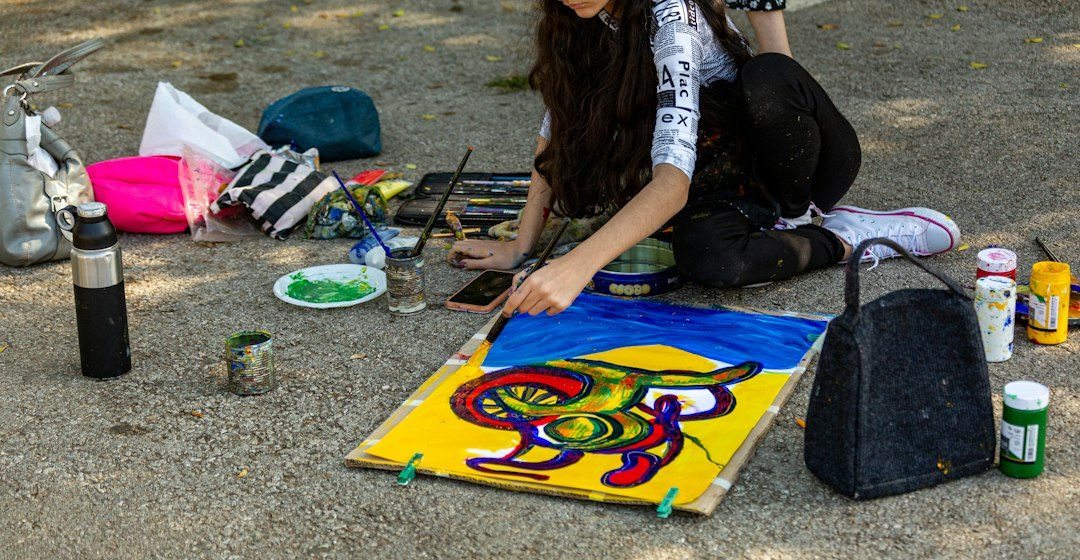
After the hurricanes, local artists and cultural managers organized more than 200 workshops for communities in Acapulco and Coyuca de Benítez, mainly for children. Activities included drawing, singing, dance, traditional figures and mask-making, as well as fanzine workshops where young people could write and share their thoughts.
These activities were not presented as a replacement for emergency shelter, food, medical care or professional mental-health support. Their purpose was different: to give participants a safe, shared setting in which they could express feelings, rebuild social ties and imagine a future beyond the disaster.
One mother told UNESCO that her son became more interested in painting and seemed gradually more settled after taking part in the workshops. A young participant described writing as a way for teenagers to communicate how they feel, not only to their own community but to the wider world.
Why culture belongs in recovery planning
Emergency response often focuses first on immediate physical needs, as it should. But recovery continues long after the first response teams leave. Cultural activities can help restore a sense of belonging, preserve local identity and create opportunities for people of different ages to work together.
In Guerrero, the workshops drew on local artistic traditions and the experiences of residents themselves. That community-led approach matters. Recovery programmes are more likely to feel relevant when people are not treated only as recipients of assistance but are also invited to shape the activities, tell their stories and decide what rebuilding should mean.
The documentary also challenges the idea that an emergency is a single event that ends when the headlines move on. Recovery can be interrupted by new storms, economic pressure or the emotional effects of earlier experiences. Communities need flexible support that can continue and adapt over time.
Lessons for other disaster-prone communities
The film’s message has relevance beyond Mexico. Communities facing hurricanes, floods, earthquakes or wildfires can include cultural spaces in recovery plans alongside housing, health, education and infrastructure. Schools, libraries, museums, local artists and community organizations can help create activities that are accessible and rooted in local knowledge.
Disaster preparedness also needs to include communication and participation. Children and young people should have age-appropriate information about risks and a meaningful role in community planning. Creative projects can help them communicate what they need and how they understand the places where they live.
UNESCO links this approach to the Sendai Framework for Disaster Risk Reduction, which calls for a fuller understanding of risk and stronger resilience at every level. The film asks a deeper question: should recovery simply restore what existed before, or can it also help communities build something fairer, safer and more connected?
The experience in Guerrero suggests that art cannot prevent a hurricane, but it can help people face what comes after one. When communities make room for creativity, memory and young voices, rebuilding becomes more than repairing damage. It becomes an opportunity to strengthen the relationships that help people move forward together.
Source
Image: Community art and creative resilience. Photo by Ricardo IV Tamayo / Unsplash.